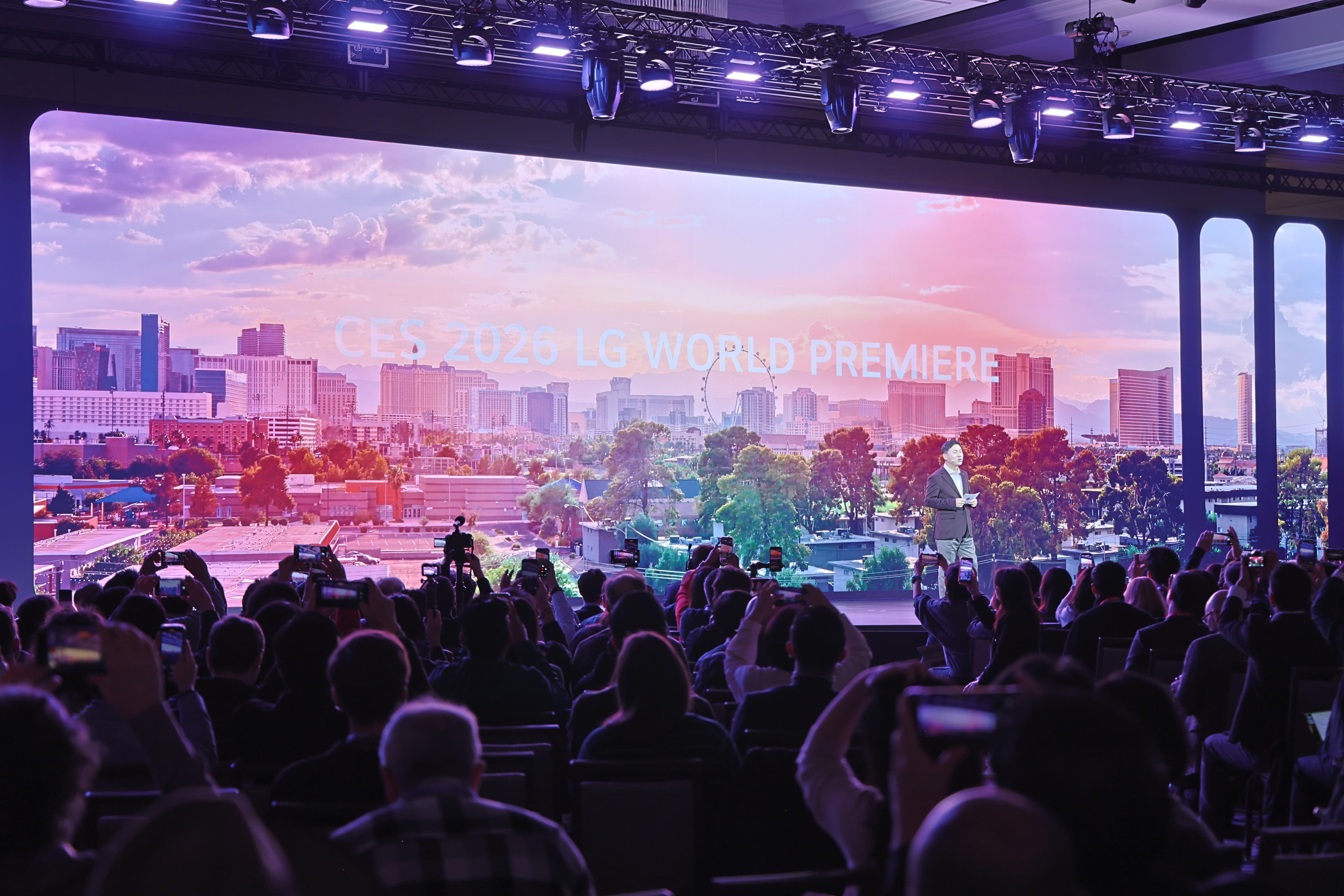
CES 2026 wasn't just a tech show—it was a glimpse of our near future. After four days on the ground in Las Vegas, we've distilled the noise into six core trends that will shape technology, business, and society in the years ahead.
Physical AI & Robotics
AI leaves the cloud for the real world
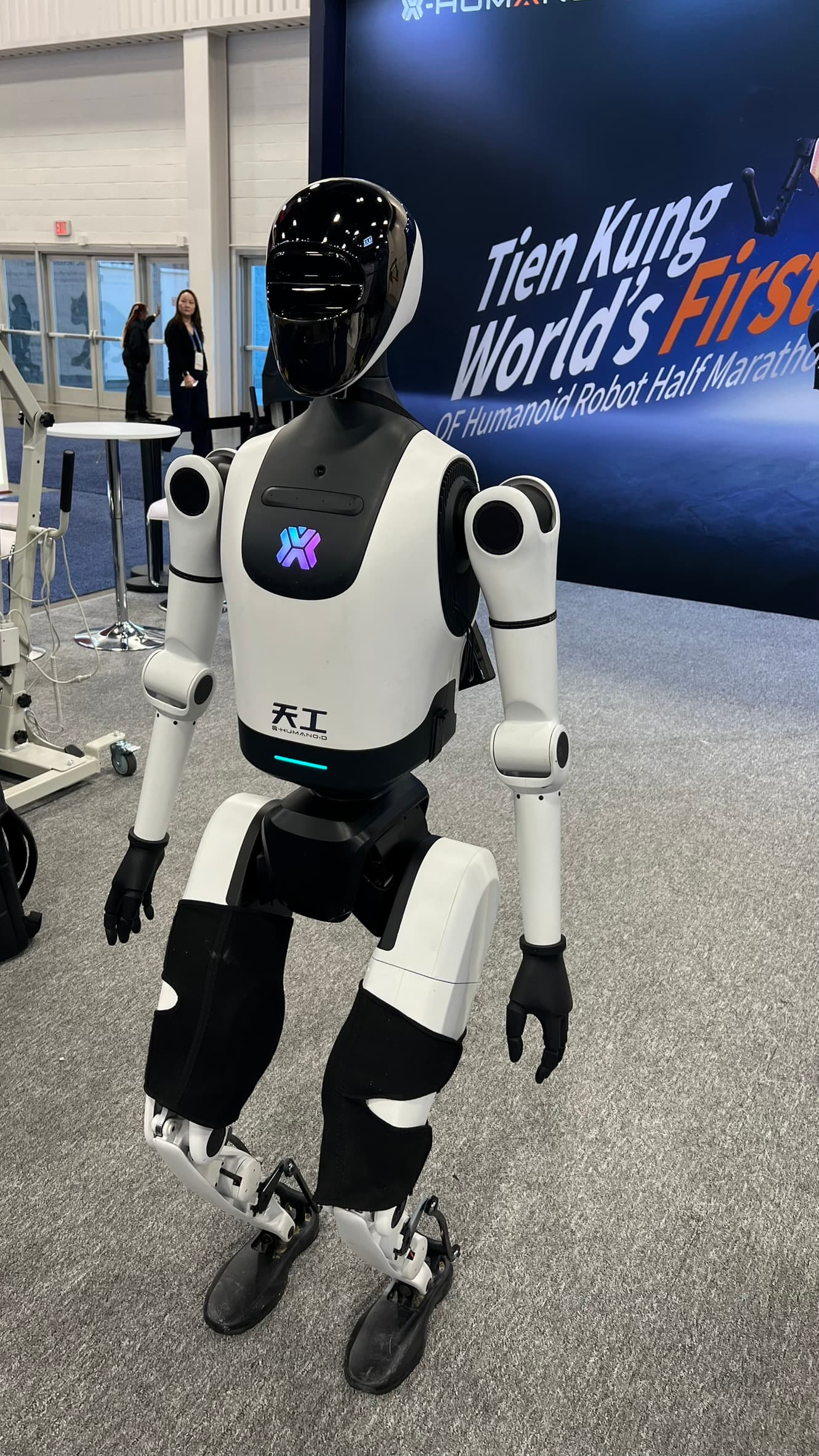
The biggest shift at CES 2026 was Physical AI—artificial intelligence powering robots and devices that interact with the physical world. Over 40 companies mentioned humanoid robots in their CES listings, a dramatic increase from previous years.
Boston Dynamics Electric Atlas won CNET's Best Robot award. The robot demonstrated factory parts sequencing by identifying heavy automotive components and precisely placing them on assembly lines—rising from a flat position using non-human joint-flipping movements.
Notable Robots at CES 2026
- LG CLOi: Demonstrated folding laundry, retrieving drinks from fridge, placing food in oven
- SwitchBot Onero H1: Won Engadget Editors' Pick. Loads washing machines. Shipping 2026 for under $10,000
- AGIBOT A2/X2: Already shipped 5,000+ robots globally. Released open-source training platform
- Roborock Saros Rover: First robot vacuum with AI-powered stair climbing (~$3,000)
Edge AI & The Chip Wars
AI processing goes local
The battle for AI compute dominance intensified across data center, PC, and edge devices. The key insight: all major PC chips now include 50-80 TOPS NPUs, making Copilot+ PC requirements mainstream.
The industry is rapidly moving toward local AI processing for privacy, latency, and cost benefits. For organizations handling sensitive data (healthcare, finance, education), this means AI capabilities without sending data to the cloud.
NVIDIA Alpamayo R1: A 10-billion parameter reasoning model that enables vehicles to "think like humans" through complex driving scenarios. Mercedes-Benz CLA will be the first production car with this full autonomous vehicle stack.
The New Baseline for AI PCs
Next-Generation Displays
Rollable, transparent, and beyond
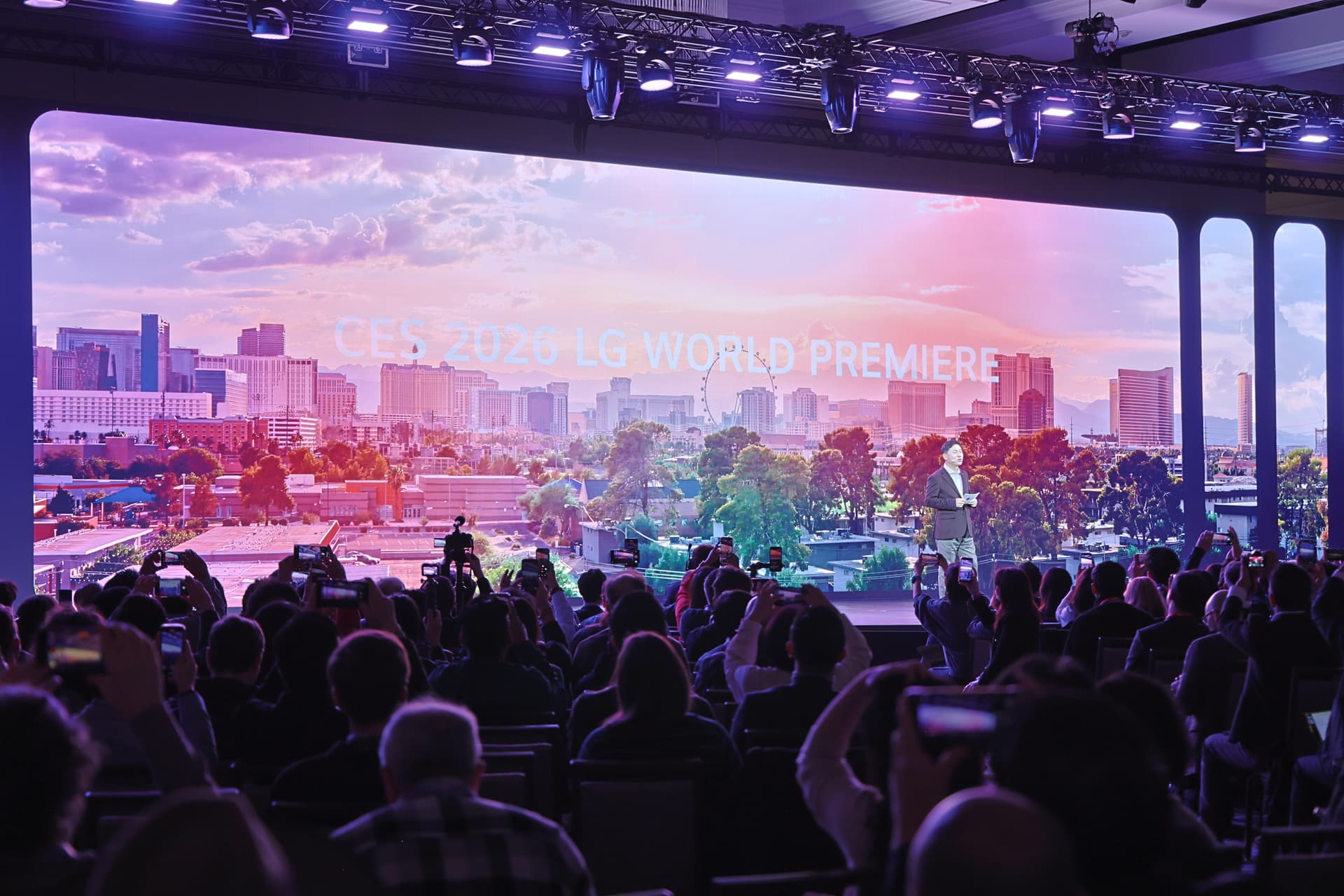
Rollable displays moved from concept to near-production, while brightness wars reached new peaks.
Display Breakthroughs
- Lenovo Legion Pro Rollable: Gaming laptop expands from 16-inch to 24-inch OLED horizontally. NVIDIA RTX 5090 powered
- Lenovo ThinkPad Rollable XD: Expands vertically from 13.3 to ~16 inches. Unused display wraps around lid
- Samsung 130-inch Micro RGB TV: Won Best of Innovation. World's first at this size using micrometer-sized LEDs
- Samsung 83.2-inch Transparent Micro LED: Largest, brightest, most transparent ever. Content appears to float in midair
Autonomous Vehicles & Chinese EV Surge
Detroit absent, China present
The absence of traditional Detroit automakers (Ford, GM, Stellantis skipped the show floor) created space for Chinese brands to make their strongest CES showing yet with 17+ brands on the floor.
Autonomous Vehicle Highlights
- Waymo Ojai: 6th-gen Waymo Driver with 13 cameras, 6 radars, 4 LiDARs. Expanding to 20+ cities including Denver, Las Vegas, Miami, London
- Sony Honda AFEELA 1: $89,900-$102,900. Built-in PlayStation 5 and Azure OpenAI personal agent. California deliveries late 2026
- Uber + Lucid + Nuro: Level 4 autonomous Lucid Gravity SUV robotaxi fleet. SF Bay Area 2026
- RICTOR X4 eVTOL: Flying vehicle at $39,900. No pilot's license required. Q2 2026 delivery
"The $39,900 flying vehicle with no license required felt like science fiction—until we saw it hover across the demo floor."
Digital Health & Wellness
From tracking to intervention
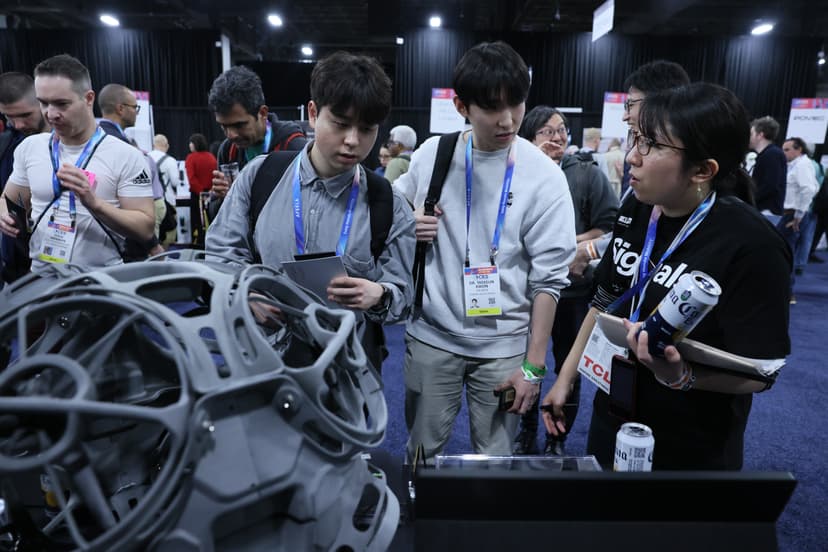
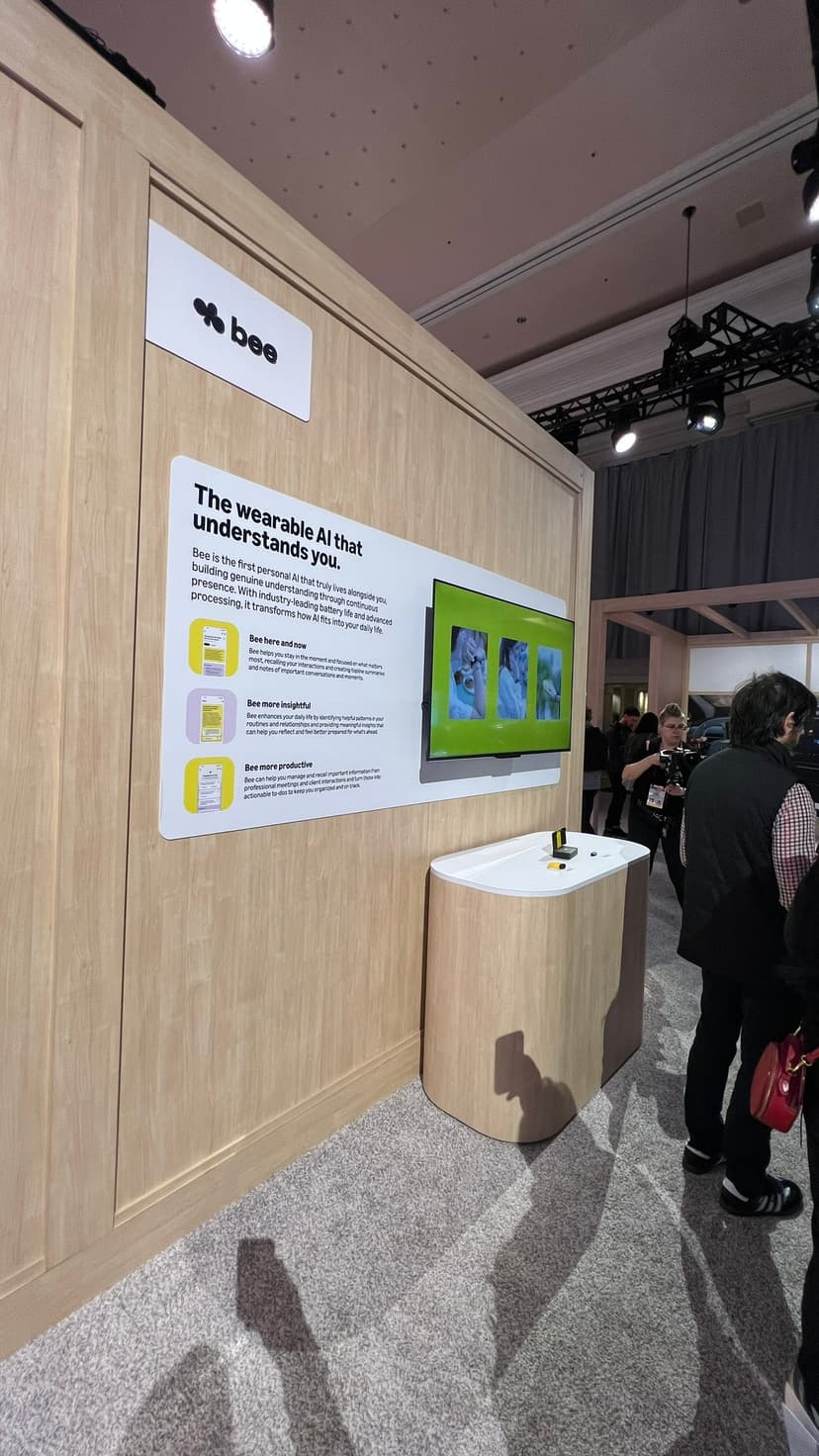
Smart rings emerged as the hottest wearable category, while non-invasive glucose monitoring showed significant progress. The shift from tracking metrics to providing actionable intervention represents the next major opportunity.
Smart Ring Explosion
- RingConn Gen 3: Industry-first vibration motor alerts and blood pressure tracking
- Wilder Tech Bond Ring: Requires no charging—powered entirely by body heat. Tracks BP, glucose, heart rate, sleep, fertility
- Dreame AI Smart Rings: Three models including haptic feedback, professional ECG, and NFC
Other Health Tech
- Aktiia Hilo Bracelet: First FDA-cleared cuffless blood pressure monitor available OTC. 120,000+ units sold
- NuraLogix Longevity Mirror: Facial blood flow analysis measures 80+ biomarkers in 30-second contactless scan ($899)
- Cearvol Wave: Earbud-style OTC hearing aid with industry-first touchscreen charging case
Sustainability & Fusion Energy
Clean energy goes commercial
Fusion energy companies made their strongest CES showing ever, signaling the technology's transition from science project to commercial venture. Energy-intensive AI data centers are driving commercial interest.
Solid-State Battery Breakthroughs
- Donut Lab: World's first all-solid-state battery ready for OEM production. 400 Wh/kg, 5-minute full charge, 100,000-cycle lifespan
- ProLogium Technology: 860 Wh/L energy density, 4-6 minute charging for 1,000km range. Gigafactory planned in France
Solar Innovation
- BiLight Innovations: Rollable perovskite solar products including 0.1mm thick PV curtain with 18%+ efficiency
- Jackery Solar Mars Bot: Autonomous rover with 300W auto-retractable panels that tracks the sun
- Jackery Solar Gazebo: 2,000W solar roof generating up to 10kWh daily
What It All Means
These six trends share a common thread: AI is becoming physical, personal, and pervasive. The technology that lived in data centers and cloud services is now walking through factories, sitting on your finger, and driving you to work.
For Vancouver's innovation ecosystem, the message is clear: the window to build is now. The foundational technologies are ready. The question is who will build the applications, integrations, and solutions that bring them to market.
At AIC, we're building that future—with Alebex in voice AI, with our incubation programs supporting the next generation of founders, and with Innovation Nights bringing the community together.
The future isn't coming. It's here.
Want to Discuss These Trends?
Join us at Innovation Nights to connect with Vancouver's builders and explore how these technologies apply to your work.